Condensation
In winter, seal in the heat and ventilate less, causing humidity levels to rise. This causes condensation: liquid water that collects on walls, windows and ceilings. Kitchens and bathrooms are vulnerable to excess condensation, which can lead to damp and black mould growth.
Estimated reading time: 9 minutes
Short on time? Try 5 Lifestyle Changes to Stop Condensation and Condensation in the home – 4 Reasons to Reduce it.

Condensation is the process that induces water vapour in the air to turn into liquid. A disparity in temperature change causes condensation, which is why it is more prevalent in winter.
If humidity is high enough, the accumulated moisture in the air is deposited on cold impenetrable surfaces. This can cause condensation on the outside and inside of windows. Condensation can form inside double-glazing, although that is usually caused by a failure of the seal between the two window panes. Condensation also affects penetrable surfaces like wallpaper and plaster.

The Perfect Conditions for Condensation are:
Warm rising air
Falling temperatures
Cool surfaces
Warm air holds more moisture than cold air and when it rises, so do the suspended water molecules that are contained. As temperatures fall, the air can no longer hold all of its moisture, so it will find surrounding cool surfaces to transfer this moisture onto.
When hot air meets a cool surface, condensation forms. Excess condensation is more common in winter when we heat our homes to fight the cold weather & accidentally cause condensation problems.
The atmospheric temperature must always be consistent to stop condensation. Make sure warm air ventilates out of the home and walls and surfaces are not too cold. Try keeping the heat at a low consistent temperature and avoid drying clothes inside.
Yes! In condensation management, removing moisture is always important. Wiping condensation from windows removes excess moisture and helps to warm windows. Try to wipe condensation from windows early in the morning to remove excess moisture for the rest of the day.

Problems with condensation commonly arise due to the high moisture content in the air providing an ideal environment for mould growth. Once the water molecules are deposited on cool surfaces, this can lead to two main issues: deterioration of the surface where the moisture has condensed such as porous plasterboards, and the growth of black mould and fungi.
Unchecked condensation results in blackened window frames, damp patches and mould growth on walls.
Other signs of condensation problems in houses are mould growth on clothing and soft furnishings, as well as streaming from condensation on windows.

Moisture from the air that absorbs into a porous substrate like soft furnishings or internal wall insulation.
When internal hot air meets a cold surface. This is what most people are referring to when we talk about household condensation.
When warm air enters a cold building. Warm-front condensation is common in emptier buildings during the seasonal change from winter to spring.
Very rare in the UK. During a monsoon or ordinary rain shower in otherwise warm conditions, warmth from the sun can dry a wet wall – driving water vapour through the wall to the interior.
When hot air reaches an area of a building that is colder than its surroundings, condensation will form. This can happen on floor-to-wall and ceiling-to-wall joins as well as around doors and windows.

Everyday living causes a surprising amount of moisture to be released into the air. Cooking three meals a day releases five pints of water. Each shower constitutes a further half-pint.
Even breathing and sweating can heavily impact the moisture load present in the air: on average, one person generates 3 pints of water a day.
There are three main groups of household activities that generate condensation in the home:


Correct ventilation means that a good air exchange is taking place inside the house. Warm air, which generally contains a lot of water vapour, is exchanged with colder, dryer air.
Opening windows on a highly humid day will contribute towards the moisture levels in the home as the relative humidity levels may be the same or higher than those in the home.
Extractor fans are often installed incorrectly, creating a counteractive effect on the intended ventilation. If placed next to an open window, this may cause the extractor fan to ‘short circuit’, meaning it will suck in the fresh ventilation from the open window before it has had a chance to replace or mix with stale air. It is best to place extractor fans as far away from windows as possible to reduce the possibility of condensation damp and mould.


When cooking and bathing, it is assumed that leaving the bathroom or kitchen door open will help disperse the concentrated moisture particles, but this is not the case. Leaving doors open causes moisture particles to settle on cooler surfaces throughout the house. Instead, they should be ventilated during and after use to avoid mould growth, a common issue caused by excessive condensation.
There are numerous other sources of moisture which often go unnoticed. Letting the kettle boil over, leaving lids off large water sources such as cooking pans and aquariums, and placing desiccant dehumidifiers in areas where there are draperies or cloth furnishings are common activities that increase moisture content in the home. Avoiding these will make a noticeable difference to the air quality in the home and will prevent mould growth.


Temperature differences are more pronounced in winter due to the significant disparity between indoor and outdoor temperatures. Suppose a property isn’t properly insulated with methods such as double glazing and specially designed internal insulation systems. In these cases, the cold air will enter enclosed properties through hairline cracks and porous materials, clashing with the warm circulating air from heat sources such as internal heating and body heat.
Internal heating should only be used to maintain a warm, constant temperature within the home. Ray Galvin, Energy Consumption expert, notes: ‘If a room is heated to 20 ºC in the day, condensation will form if surface temperature drops to 15 ºC. An initially colder room, say 13 ºC, does not suffer condensation until temperature falls to 8 ºC’*.

Preventing condensation is a good starting point to controlling condensation.
Below are a few types of preventative measures, which together make a robust deterrent against exposure to condensation:
As condensation is made up of water particles, reducing water saturation in the air will mean it is less likely for condensation to manifest. There are three ways to go about doing this:
Using internal heating to dry out furniture and wet clothes can damage internal heating systems and create fluctuating temperatures in the home. It also poses a risk to health. By heating the moisture in wet furnishings and clothes, aspergillus fungal spores can form and enter the respiratory system causing severe damage to the lungs. To avoid these issues, wet items are best dried outdoors or in a dryer with external vents.
It is better to maintain a cooler temperature constantly rather than a warmer temperature occasionally, as this will create greater disparities in temperature leading to condensation and mould.
Regularly opening windows is a must. Fresh outdoor air is the gold standard for indoor air quality. Ventilation on a daily basis, ideally three times a day, is a good starting point to ensure a regular air exchange. During these ventilation periods, radiators should be turned down to avoid unnecessary energy wastage.
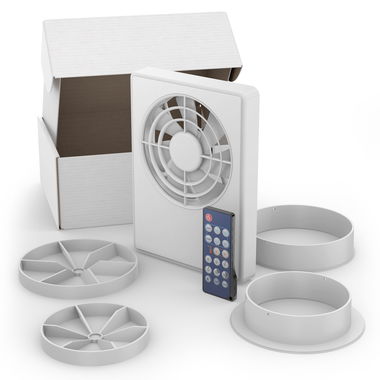
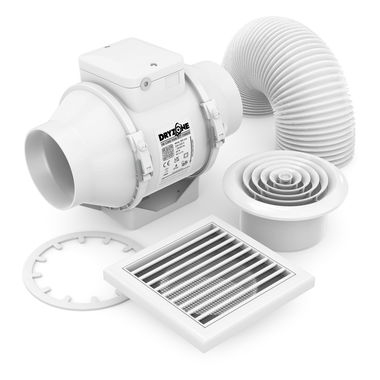
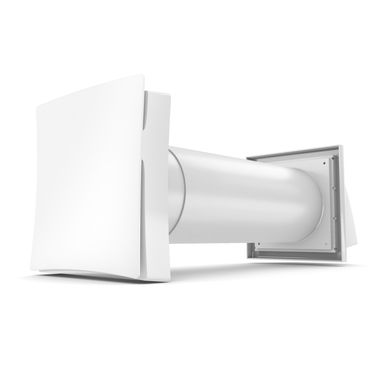
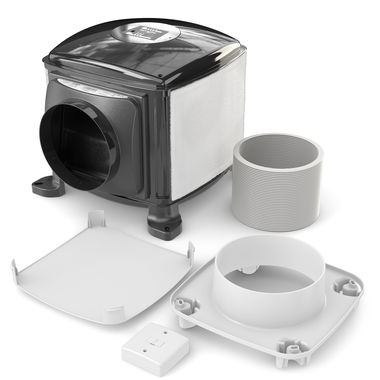
Mechanical ventilation such as Extractor Fans and Positive Input Ventilation can help improve air circulation around the home. By keeping the air in constant movement, this prevents the stale moist air from settling. A combination of extraction and positive input create the perfect duo for improving indoor air quality. Together, they produce a ‘breathing’ effect in your home, sucking out moist saturated air and replacing it with clean filtered air. This will keep humidity down to a point where condensation can’t form, creating an inhospitable environment for mould growth.
Calcium chloride is well known for extracting moisture from the air due to its hygroscopic qualities. Desiccant dehumidifiers are also great at collecting warm moist air and extracting moisture particles, replacing the stale air with cool, drier air to lower condensation.

Warmer air holds more moisture and only condenses when it comes into contact with a cool surface. Due to this, it is important to keep surfaces warmer. By eliminating the cold surface, it can be stopped from becoming a condensation magnet.
Wet walls are one of the most structurally damaging circumstances that can happen to a property, which can have vast financial and health implications if left long enough.
There are several solutions for this: insulating plaster, insulating tiles and insulating boards. These will help maintain wall surface levels at a warm enough level to keep condensation and mould at bay.


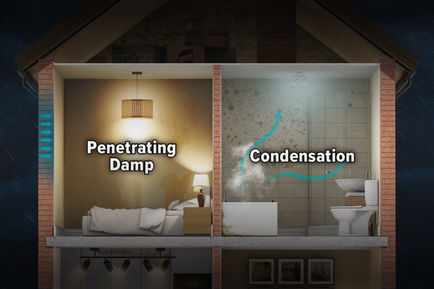
Dealing with other forms of dampness affecting the building (e.g. rising damp and penetrating damp) can assist in lowering condensation by improving the thermal properties of the fabric of the building (building materials have a higher thermal resistance when dry than when wet).
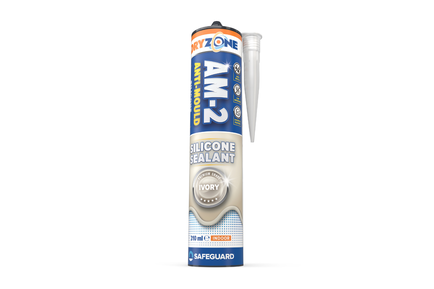
Wiping down surfaces after cooking and bathing also aids in removing excess moisture. Too much dampness in an enclosed area gives mould a chance to grow. Using an anti-mould joint sealer for bathrooms and humid environments will help create a long-lasting resistance to mould on tiled surfaces, windows and silicone joints.


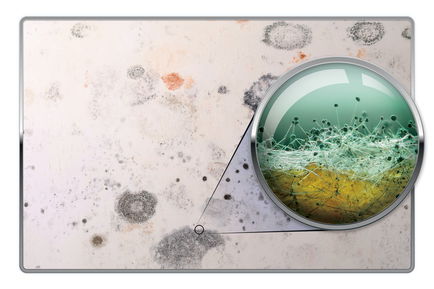
Condensation and mould issues often go unnoticed until it is too late. Black mould is one of the tell-tale signs that the moisture content in the air has gotten out of hand. In these cases, it is important to not just clean the surface mould off, but also eliminate the mould spores which are invisible to the naked eye. These mould spores enable re-growth of the mould organism.
A two-fold treatment that both removes mould and protects against further colonisation is advised as a long-term solution against mould infestation.

Although condensation is most commonly associated with mould growth as it provides mould with the water that it needs to grow, dampness caused by condensation can also lead to other moisture-related problems such as dry rot in timbers. A curative and preventative treatment for rot in wood will be needed in these cases, to both remedy the damage done by the moisture, and protect it from rotting in the future.
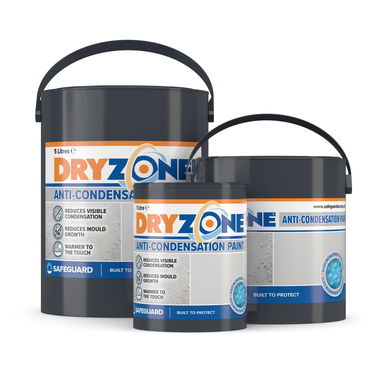
In areas where there is persistent condensation, scrubbing mould and applying chemicals on painted surfaces can lead to fading and decolorization of the treated area. A washable mould-resistant paint or anti-mould paint additive is recommended to keep mould firmly at bay in areas of high moisture saturation.
This also maintains the aesthetic appeal of the treated wall. Dryzone Mould-Resistant Emulsion Paint is a premium quality paint which prevents mould growth for a minimum of 5 years. The paint is quick drying, fully washable once cured and compatible for overpainting on all known paint finishes.
Plaster walls can become damaged by condensation absorbing into and dissolving the binders.
It is important to check the moisture levels in a wall using a moisture metre to confirm that it is indeed water damage due to condensation. Other causes like rising damp, penetrating damp or leaky pipes would require a separate remedial treatment.
The graph to the right demonstrates how moisture content in a wall would appear due to condensation, compared to moisture content in a wall due to rising damp.

If condensation goes for a long enough time without treatment, water oversaturation occurs. Some signs of water saturation in a wall are bulging walls, flaky or bubbling plaster, and crumbling mortar between bricks. In a worst-case scenario, when a wall reaches water absorption level which is beyond repair, this will lead to replacement being the only option. In these cases, replacing with a cement or lime based plaster is more robust as they do not get damaged so easily by liquid moisture. Cement and lime plasters are also more alkaline which means they do not support mould growth, whereas gypsum is a neutral substrate and can allow mould to grow.
Our Condensation in Buildings CPD Webinar is suitable for DIY-ers and professional contractors. Approved by the Royal Institute of British Architects, this one hour session will teach you:
The causes of condensation
The negative effects of condensation in the home
Methods of minimising condensation
Which method is right for you?

Condensation and the associated mould growth is the most commonly encountered damp problem for building occupants and owners. If left to develop, condensation problems can have a significant effect on building occupants. A building suffering from condensation issues is unpleasant to live in. Mould can destroy possessions and also exacerbate health problemsThe RIBA CPD webinar offers a detailed insight into…
Read More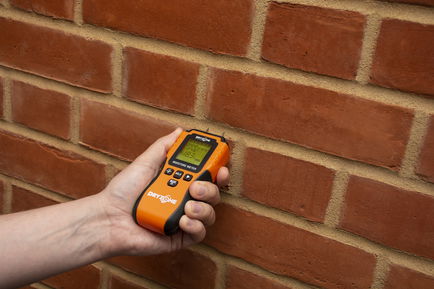
Most buildings will suffer from dampness of one form or another during their lifetimes. This seminar gives an overview of the methods available to correctly identify the causes and types of dampness in buildings. The most common types of dampness encountered in existing buildings (rising damp, penetrating damp, and condensation) are examined, as are methods of repair and treatment.
Read More
Rain penetration, or penetrating damp as it is commonly known, is an increasing problem in the UK. A higher intensity of rainfall in recent years, combined with a large industry focus on installing cavity wall insulation, has led properties that previously had no issues to suffer from rain penetration. The damage that penetrating damp causes is not only unsightly but…
Read MoreHow can we help?
Related Pages
Get it Done

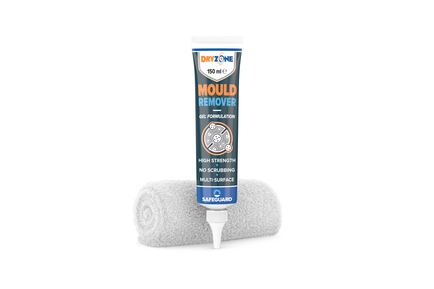
Remove stubborn mould stains from hard-to-clean areas with Dryzone Mould Remover Gel.
Read More
Although mould often becomes visible during colder months, the conditions that allow it to develop may exist long before winter arrives. Taking action during summer can reduce the risk of complaints, protect the condition of the property and help keep accommodation healthy and comfortable for tenants.Here are five practical steps to take before the new academic year begins:
Read More
Keeping mobile, TV & laptop screens clean is important for productivity & hygiene. Here are five rules for cleaning screens perfectly.
Read More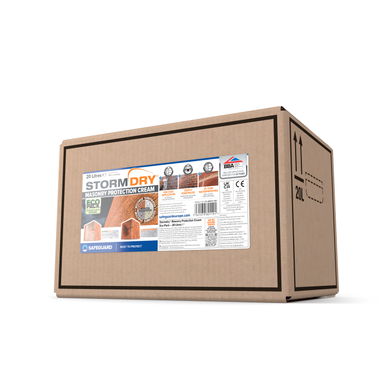
Reduce plastic use on site with Stormdry Masonry Protection Cream - now available in 20L Eco packaging.
Read More
Wasps, hornets and nests cause big problems in summer. Read this to find out how to locate, identify and get rid of wasps and hornets.
Read More
Find out how we helped dry out this 18th century Grade II listed mill house renovation in the New Forest
Read More
Discover how Stormdry Masonry Protection Cream was used on World War 2-era gun battery magazine buttresses at Dover.
Read More
With Tibby Singh and YDC Basements, Safeguard waterproofed a basement at an end of terrace home in Leeds using Drybase Tanking System.
Read MoreSubscribe to get information about products and offers.