Woodworm
How to treat Woodworm
The woodworm is the larvae of wood-boring beetles. One of the most common in the UK is the Common Furniture Beetle. The woodworm larval stage feeds on timber and leave tiny holes on the wood’s surface. Woodworms are off-white or yellow in colour with a small brown head. They use black pincers on their heads to bore into timber.
Estimated reading time: 4 minutes
Woodworm sizes vary, but they usually grow to around 6 mm in length. They propel themselves forward through wood with their ridged bodies. When the adult beetle leaves the timber to mate, it makes bigger exit holes.
The precise method of woodworm and wood-boring beetle treatment will depend on which species is attacking the timber. There are many species of woodworm.
The most common species of woodworm in the UK is the Common Furniture Beetle (Anobium punctatum). Despite its name, the Common Furniture Beetle is just as likely to attack joists and floorboards as it is to attack furniture.
The Common Furniture Beetle causes small, round holes in timber (approx. 1.5 – 2 mm diameter). It also leaves behind bore-dust and exit holes. When magnified, dust particles look like lemon-shaped pellets and feel “gritty” to the touch. A woodworm problem can be identified by the presence of these pellets, dust and holes.
Keep in mind that the Common Furniture Beetle will only nest within sapwood. Learn more about sapwood and heartwood.
Woodworm beetle size 3 – 5 mm long
a dark brown to dark red colouring
a hump in its thorax
pitted markings along its back
antennae shorter than its legs
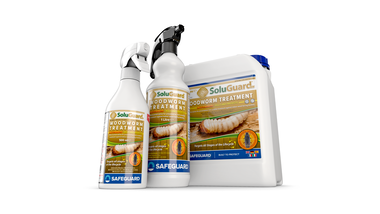
In most cases, woodworm and woodworm beetle infestation treatment is straightforward. Any weak timber should be removed and replaced with pre-treated timber. Affected timber should be treated with SoluGuard Woodworm Treatment and applied by brush or spray. This woodworm killer will effectively deal with all stages of the wood-boring beetle lifecycle.
Other types of woodworm beetle common to the UK include:
Of these types, House Longhorn and Deathwatch beetle infestations are always serious. Woodworm beetle size varies between species. The larvae of the House Longhorn Beetle are larger than those of other UK wood-boring beetles. It can cause serious damage.

Wood-boring beetles look for untreated wood with a high moisture content to lay their eggs. Moist wood is soft, which makes it easier to bore into. Moist wood is also easier for wood worm to eat and digest.
Although each species has a particular preference of wood type, as a general rule wood-boring beetles prefer hardwoods of around 30% moisture content.
The wetter the wood, the higher the chances that this season’s wood worms will become next season’s wood-boring beetles.

Wood-boring beetles find it difficult to lay their eggs inside treated woods. Varnished wood provides a hostile environment that wood worms do not like. They find it difficult to eat through this type of sealed wood.
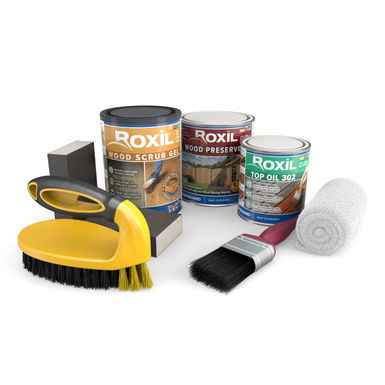
Protect your garden and indoor timber with a wood preservative like Roxil Wood Preserver. Roxil’s biocidal component defends against woodworm infestation.
For wood already infested with wood worm, Soluguard Woodworm Treatment provides effective eradication of all stages of the wood-boring beetle lifecycle.

Wood-boring beetles have a relatively long lifecycle for insects. Active woodworm infestations can span up to several years. This is because of the length of time it takes for wood worms to tunnel through wood to reach the surface. Common Furniture Beetles usually appear between April and September to lay fresh eggs.
The main problems encountered when treating wood worm infestation are:
We always recommend that an experienced timber treatment company carry out a survey if an active wood worm infestation is suspected. For details of companies in your area, please contact our technical department on 01403 210204 or find an installer.
Download our free Woodworm Identification guide.
Information given for each species includes:
In the case of widespread infestation or where destructive species are involved, experienced contractors should carry out woodworm treatment. To find woodworm treatment companies in your area, please contact our technical department on 01403 210204 or submit an enquiry.
How can we help?
Related Pages
Get it Done


Remove stubborn mould stains from hard-to-clean areas with Dryzone Mould Remover Gel.
Read More
Although mould often becomes visible during colder months, the conditions that allow it to develop may exist long before winter arrives. Taking action during summer can reduce the risk of complaints, protect the condition of the property and help keep accommodation healthy and comfortable for tenants.Here are five practical steps to take before the new academic year begins:
Read More
Keeping mobile, TV & laptop screens clean is important for productivity & hygiene. Here are five rules for cleaning screens perfectly.
Read More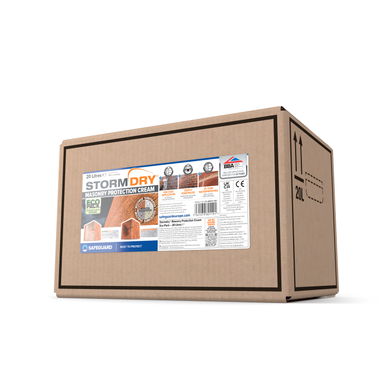
Reduce plastic use on site with Stormdry Masonry Protection Cream - now available in 20L Eco packaging.
Read More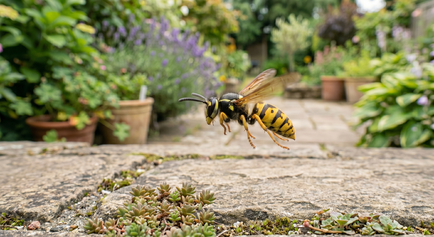
Wasps, hornets and nests cause big problems in summer. Read this to find out how to locate, identify and get rid of wasps and hornets.
Read More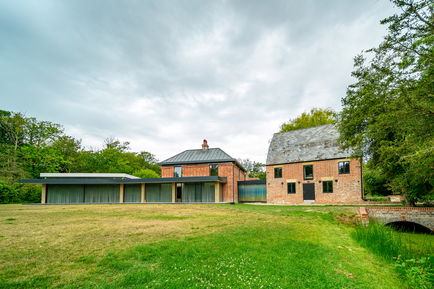
Find out how we helped dry out this 18th century Grade II listed mill house renovation in the New Forest
Read More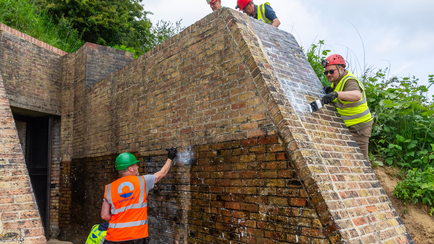
Discover how Stormdry Masonry Protection Cream was used on World War 2-era gun battery magazine buttresses at Dover.
Read More
With Tibby Singh and YDC Basements, Safeguard waterproofed a basement at an end of terrace home in Leeds using Drybase Tanking System.
Read MoreSubscribe to get information about products and offers.